Bronze Disease Treatment Case Studies
From Identifying Bronze Disease, to Treating it.
Cleaning & Conservation
In this Article, I will cover:
1. How to Identify Bronze Disease
2. How to Treat Bronze Disease
I will refer to Bronze Disease, sometimes otherwise known as "Green Disease" as BD throughout this article as shortform.
How to identify Bronze Disease
BD is often a nearly neon color, with a powdery texture, that falls away with the slightest agitation. This differs from other green typed deposits, which are darker and rock solid. Here is an image of BD from a video I did showing it's properties visually. It almost 'crumbles' on touch with an object like this bamboo skewer.
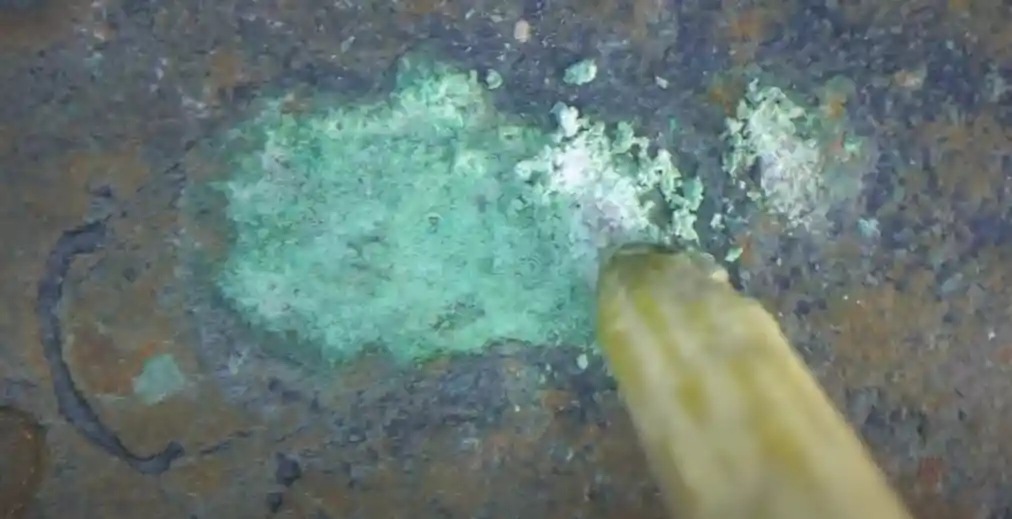 To see how it behaves visually, check out this YouTube video I made here.
How to treat Bronze Disease, a case study
Important Note 1: Most Bronze Disease treatment does not require the harshness of what you will read here. Most "surface" bronze disease can be treated with toothpick removal of material + low % (1-2%) sodium S. Solutions. This specific case was BD to the core, where the coin luckily had a strong patina to survive the bath of 5% sodium S. Weaker patinas would not have survived this. Learn from this as you may, mistakes and all, so that you can achieve the best possible outcome for your coin. Every coin is different and therefore all treatment plans will be different. What you are about to see is nearly a worst case scenario for BD!
Important Note 2: BD can have different states. There is "Active" BD where the coin is actively disintegrating and "Stable" BD where it appears to have stabilized and is not actively reacting. In this case I believe this coin had "Active" BD due to how much of the coin had disintegrated. The video noted above also shows active BD as I had watched that area turn green over 1 week period of time. Stable BD, while not "optimal" can be okay if you keep an eye on it. Sometimes the cure can be worse than the disease! If for example you have a coin with a weak patina, and stable bronze disease, you may want to consider not doing anything, as Sodium S. can be harsh and might obliterate otherwise nice coin.
I purchased this coin on Ebay because I felt like the dirt and encrustations could be removed to display a lovely higher grade (~VF) sestertius underneath . Little did I know the coin suffered from Bronze disease eating its way down, hidden under a deposit. This is my first encounter with bronze disease (BD). This blog with follow my process of removing the BD and cleaning the coin.
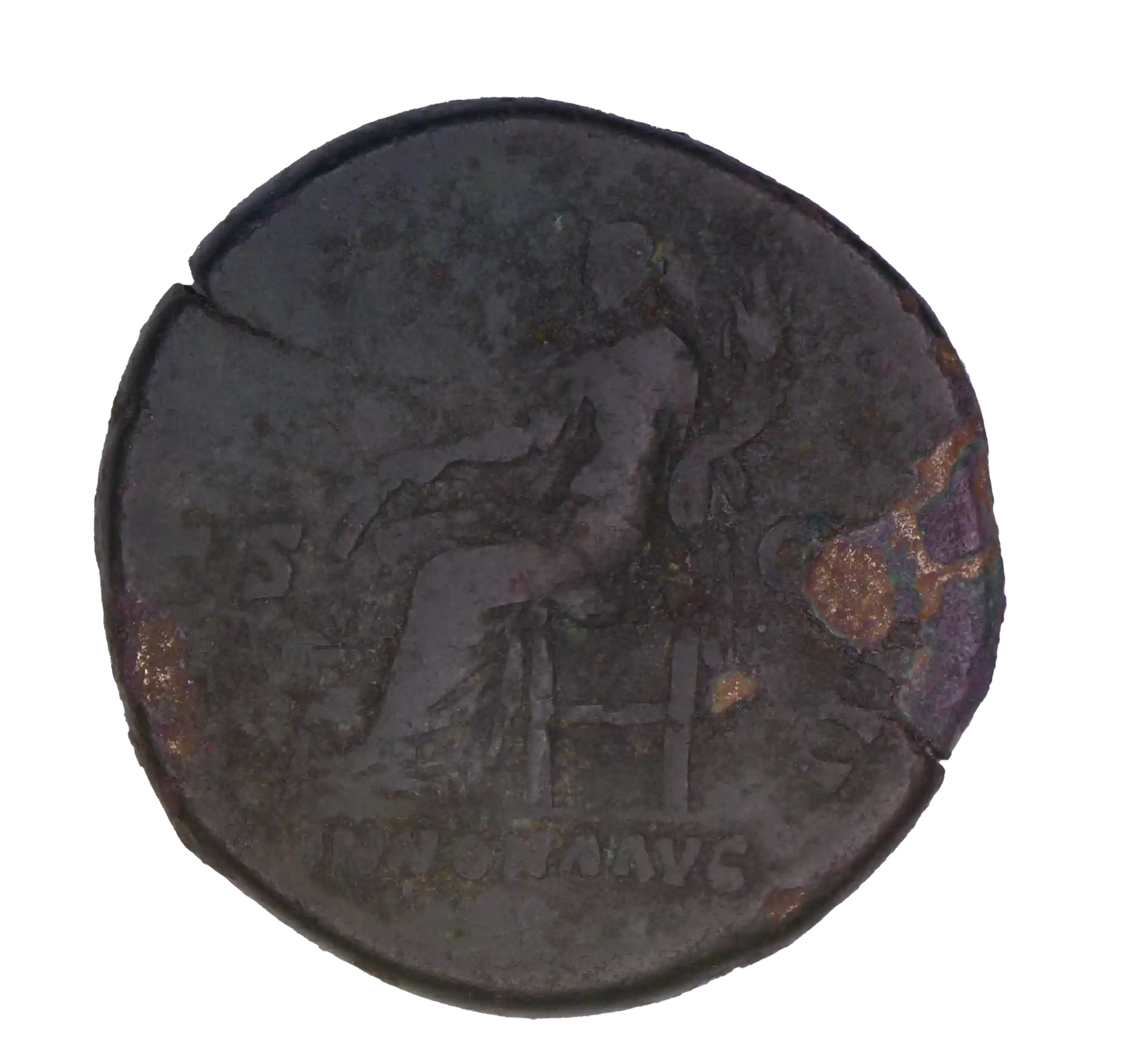
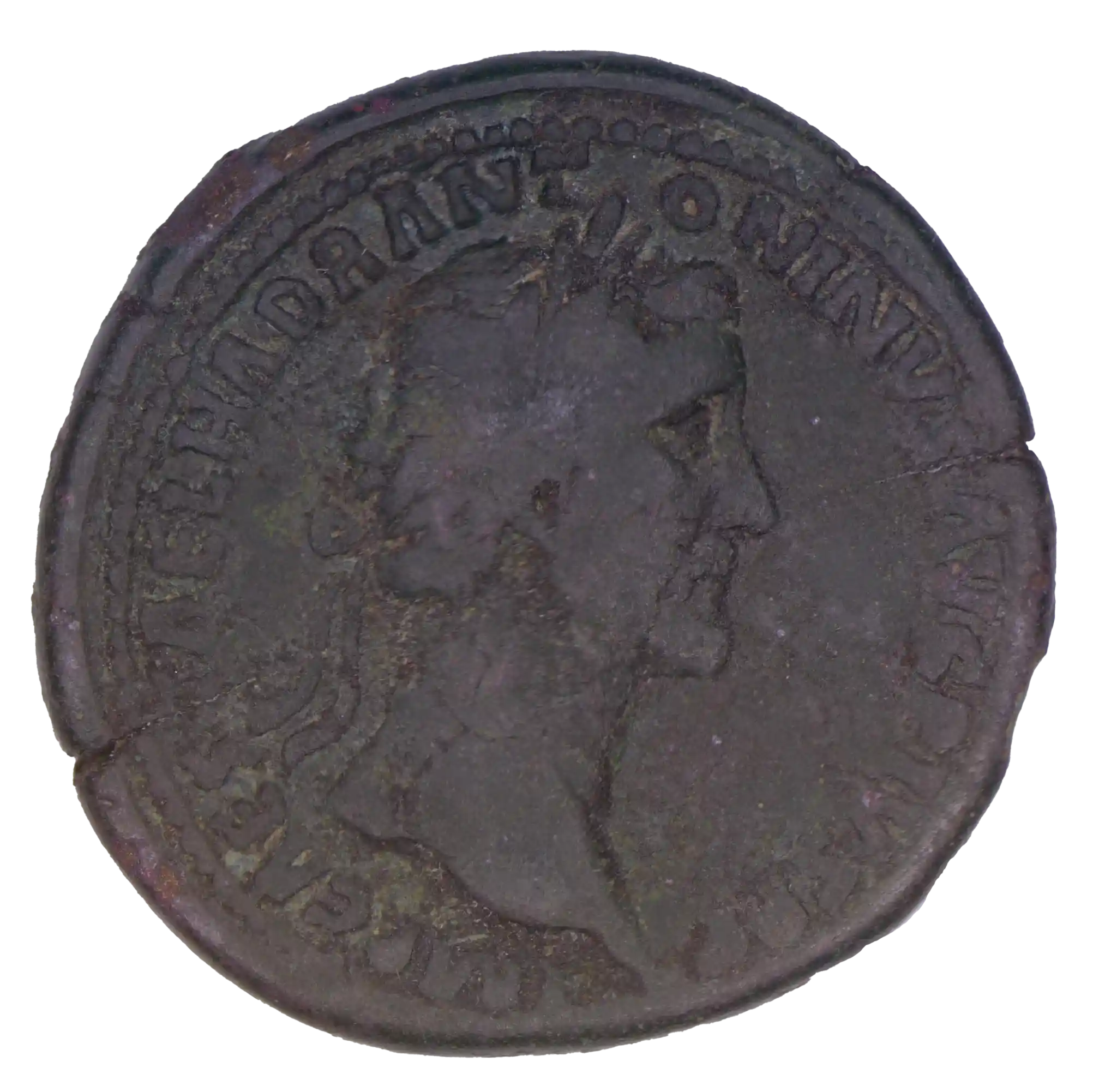
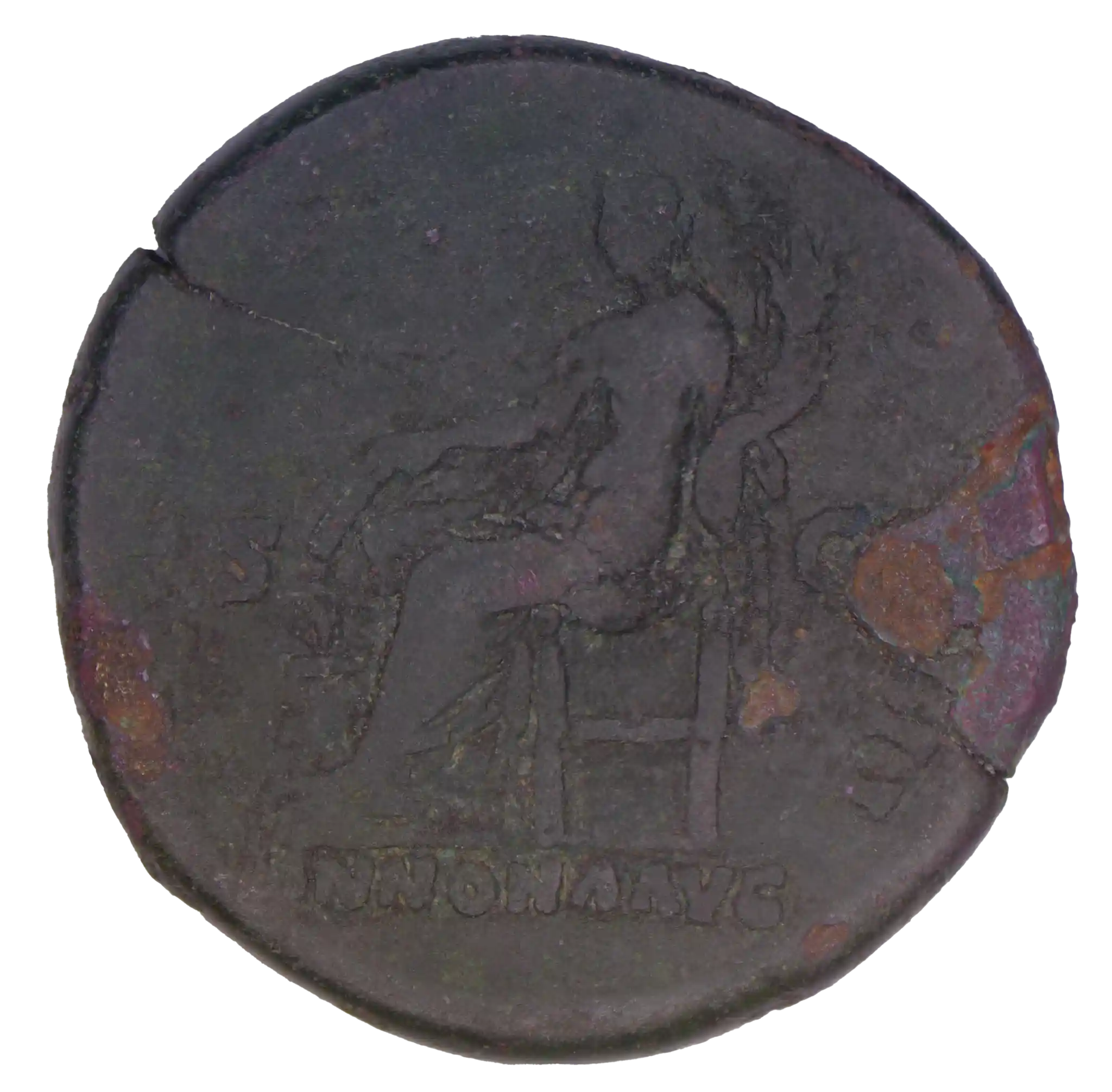
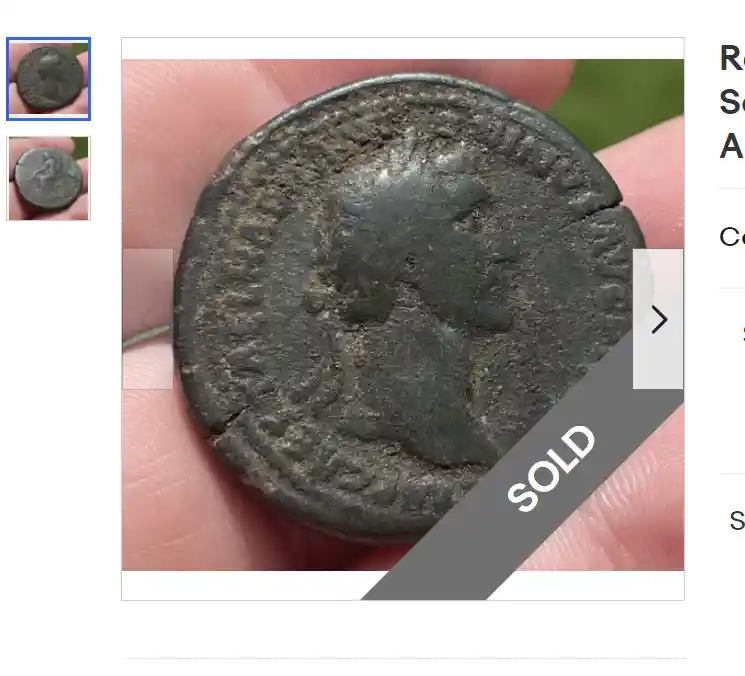 When I received the coin, I started by taking photos of the obverse and reverse under microscope. This is the Obverse and Reverse before any treatment.
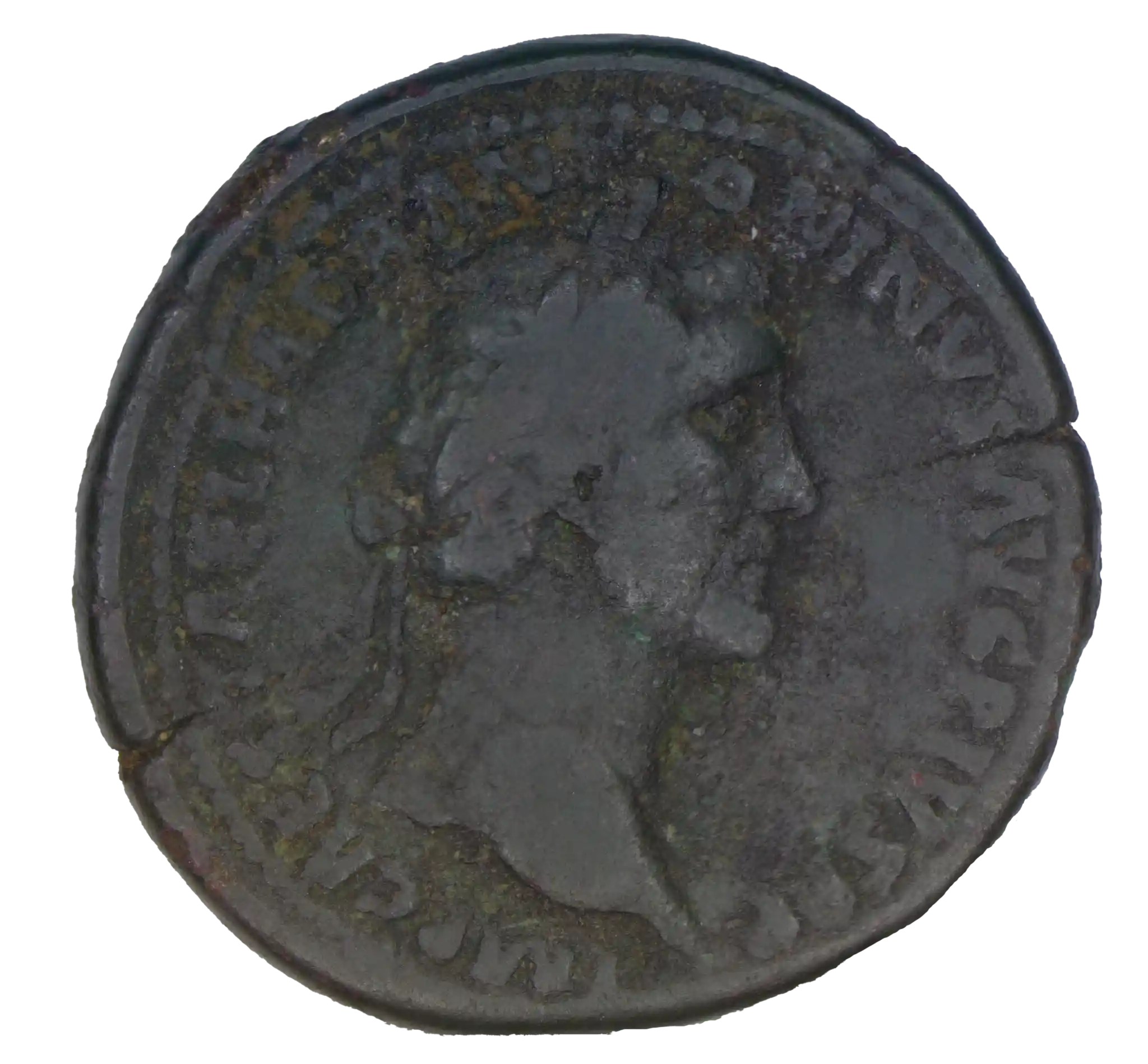
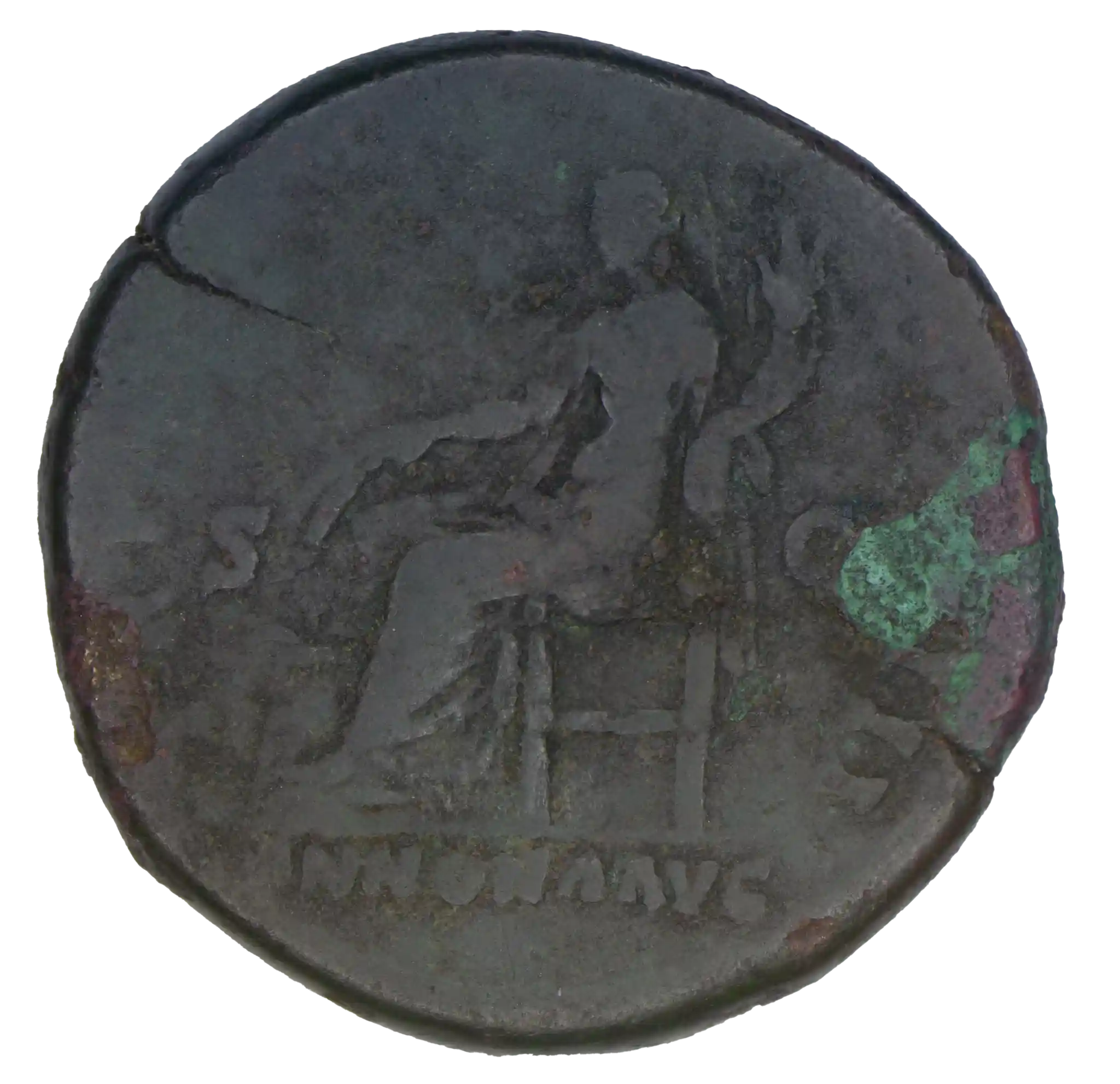
Bronze Disease covered by Deposits
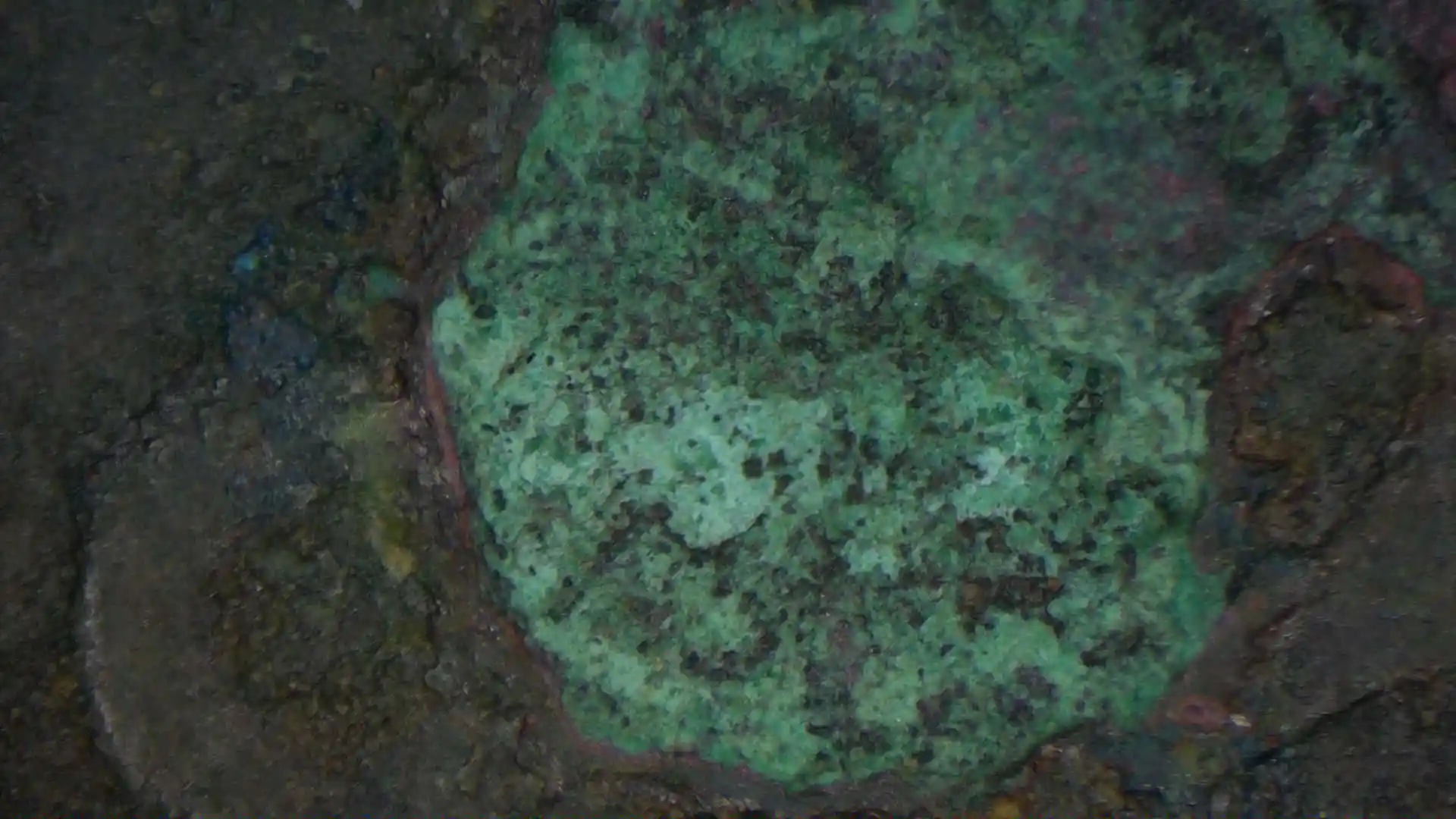 Under this deposits, it seemed to collapse in on itself. Poking with a metal tool made it realize it was soft. Most green deposits are hard, not grainy and bright green sand. Also most deposits don’t dig into the core of the coin.
When I started clearing deeper, I realized this was going in about 1-2mm into the core of the coin. Only one thing I know that does the following:
Bright green powder dust
Eats away at a coin
Can go this deep. Is not a natural deposit.
Unfortunately, these variables point to bronze disease. And before any I can perform any of the fun legends cleaning I had planned, the BD had to be dealt with or else the coin will disintegrate eventually, or the BD could spread to other coins.
Most importantly, I now need to quarantine this coin and clean all my tools because BD can infect other coins and effectively spread. This is a not fun scenario for any Bronze collector.
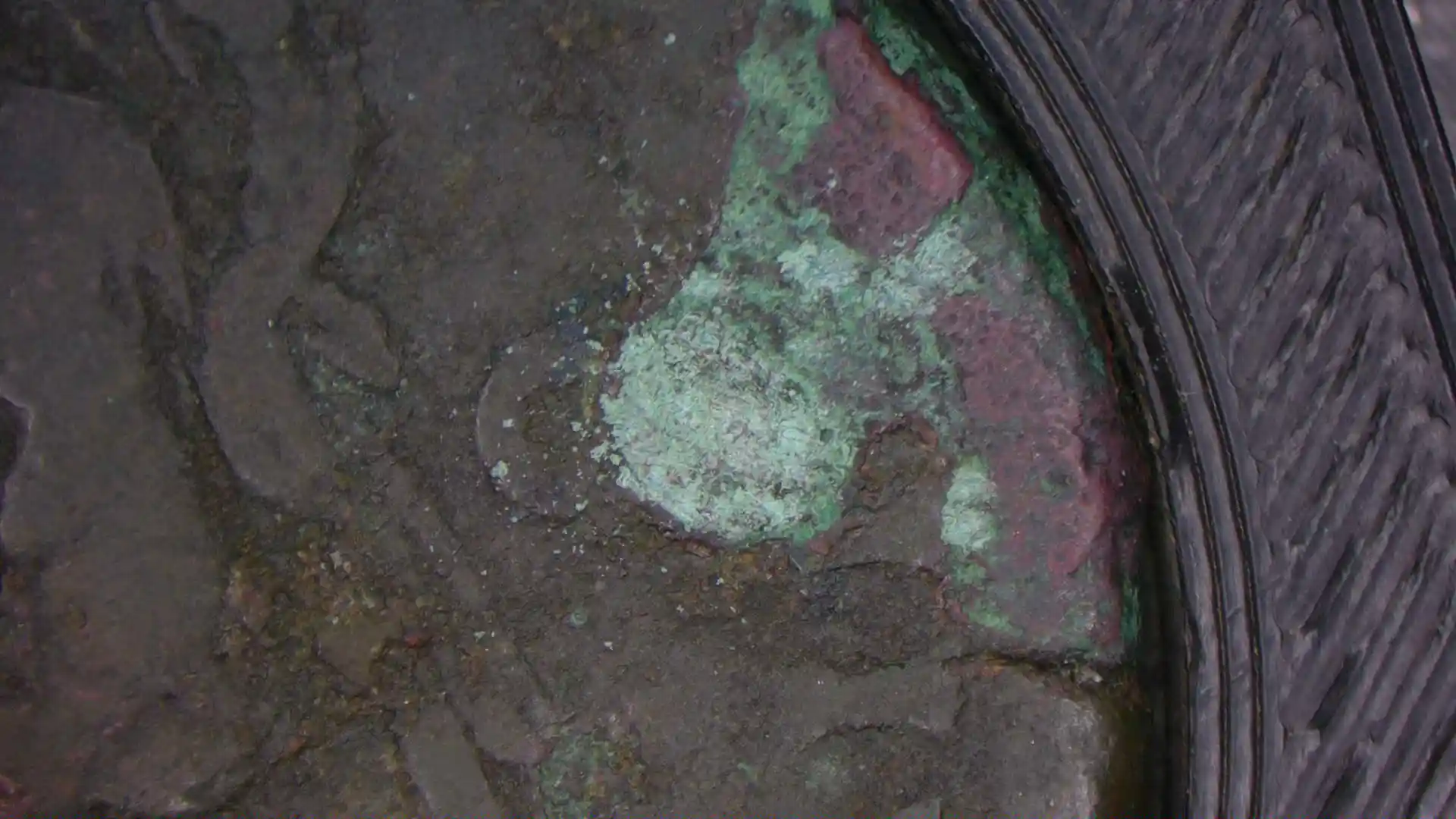
At this point I consulted some other individuals who have cleaned coins on dealing with advanced cases of Bronze Disease. This is advanced because of how deep it goes (its not just on the surface) and it goes near flan cracks in the coin which could make it hard to stop from coming back in those tight areas. Most cases I have seen since this are simply surface BD and easier to treat.
To let any chemical bath do its job, I first need to mechanically remove as much of the BD as I can.
As you can see below, I scraped away all the BD dust from the area using diamond dusted tools. Probably overkill, but at the time its what I had- in most cases toothpicks will do the job. With the material removed, when I do a chemical bath, the chemicals can attack the hidden flakes at a microscopic level.
However, this is deep, and is likely going to be a long process of bathing in chemicals. Weeks in this solution. Worse, this bathing could very likely damage the coins patina. When deciding whether to treat your coins BD you must consider the stability of its patina.
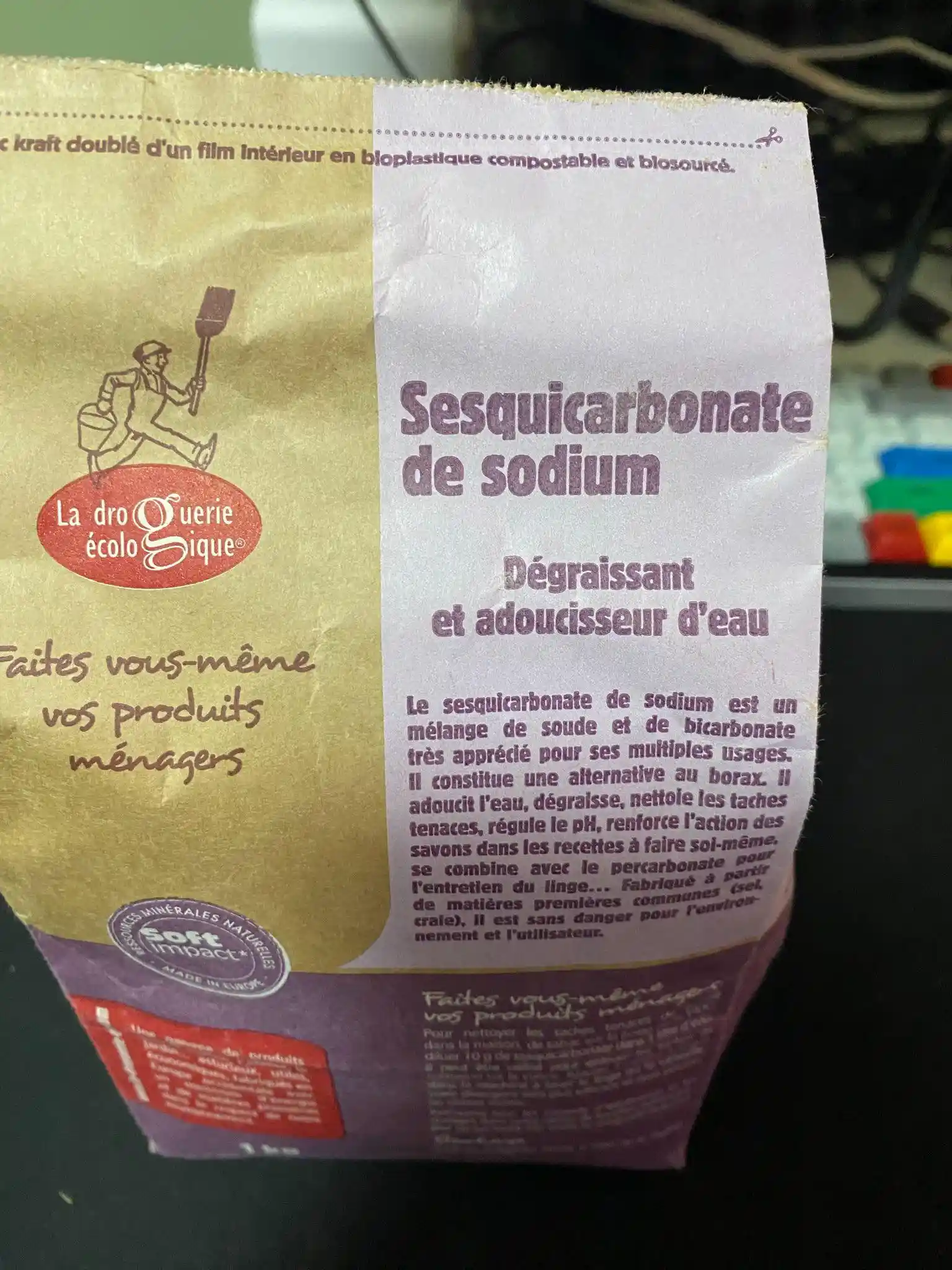
To make a 5% solution (by weight) of sodium sesquicarbonate for bronze disease, I purchased the Sodium Sesquicarbonate online.
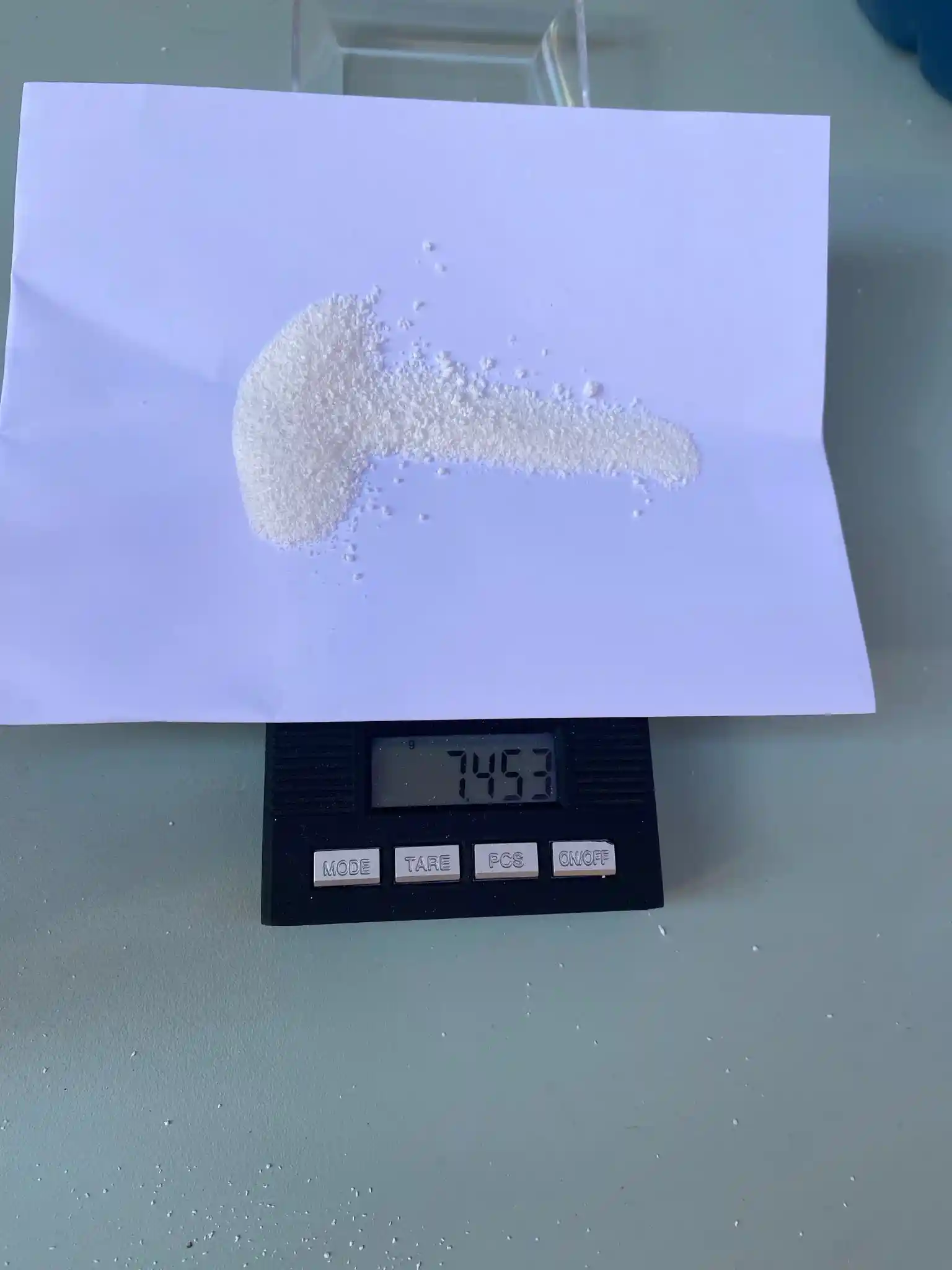
 For the solution I measured out about ~5g (-2g paper tray)
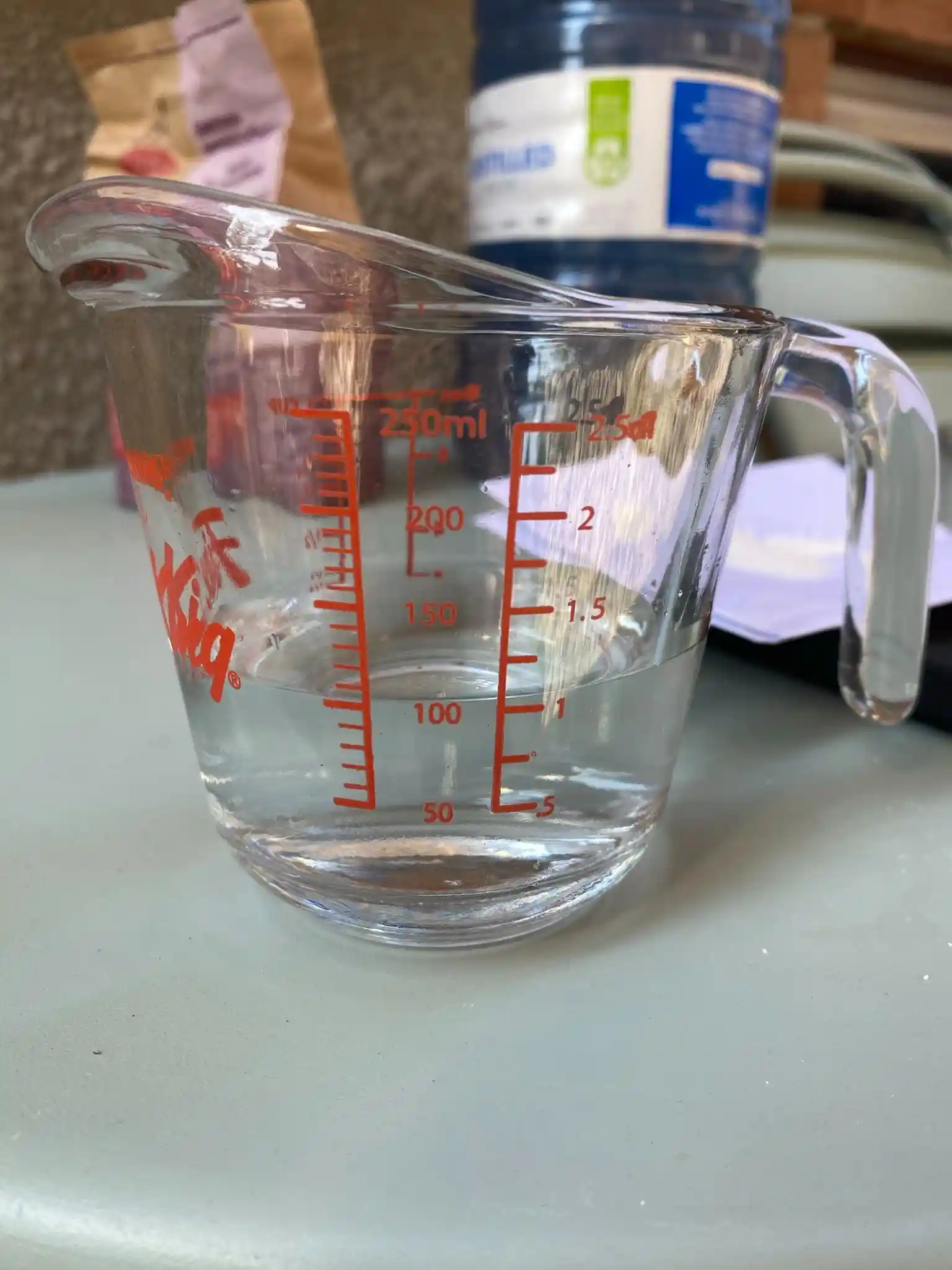
I mixed it into 100g (ml) of DISTILLED water. Do not use undistilled I have been told that can cause issues. ~5g of Sodium S. In 100ml of water is a 5~ dilution. I am not reporting on the safety of Sodium S. in handling. Do you own research on the safety for handling it and precautions you might take.
 Coin in the mixture below. (Around 5% dilution of Sodium Sesquicarbonate in Distilled water)
After 7 days
Including some manual cleaning under microscope.
 Testing to see if BD returns
I waited another 2-3 weeks to see if the Bronze Disease returns while it’s in the open air before applying Ren Wax to give it long term protection.
The Return of Bronze Disease
After 2 weeks out of the solution, I started to notice bronze disease returning from under these red nodules.
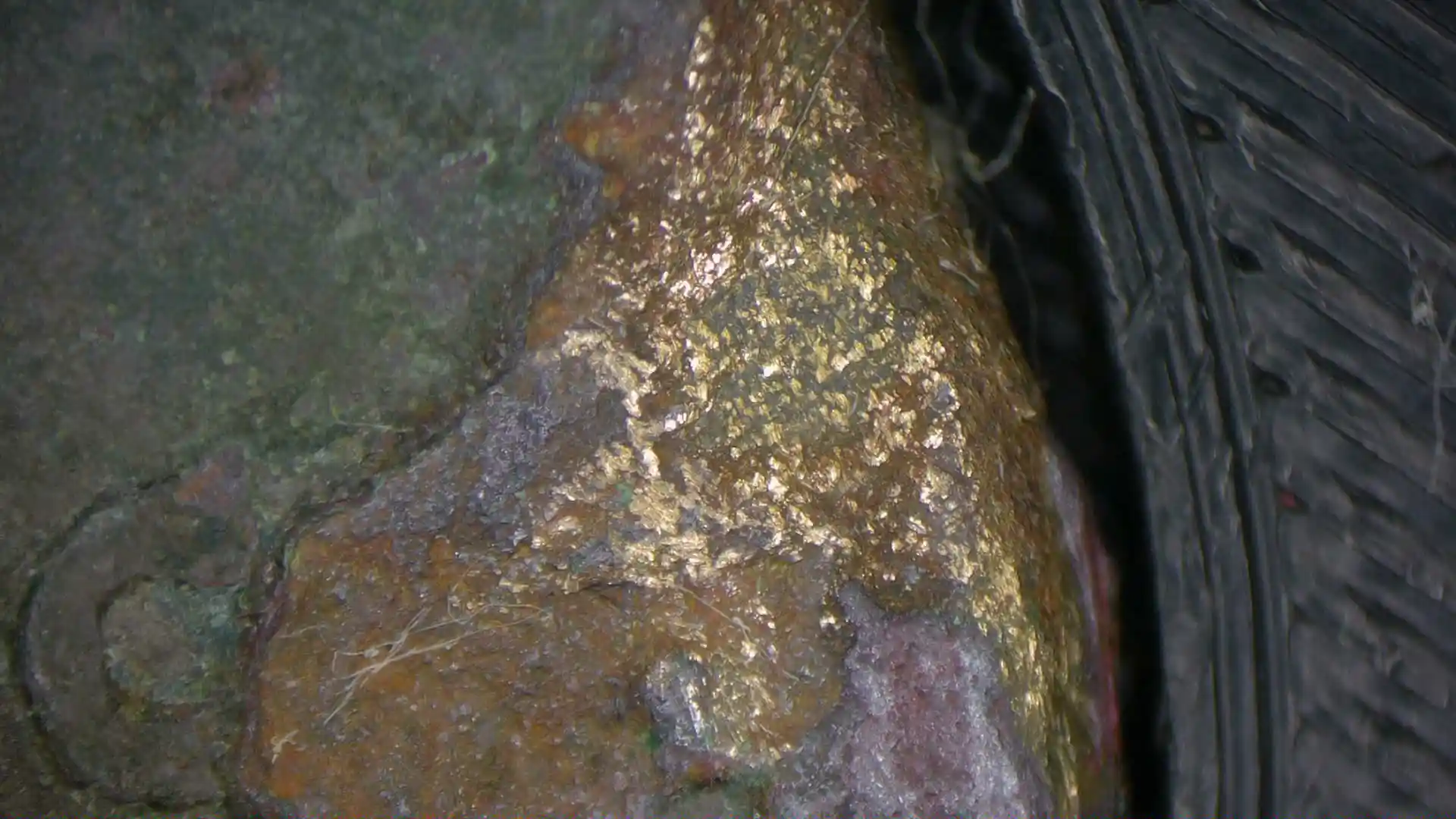
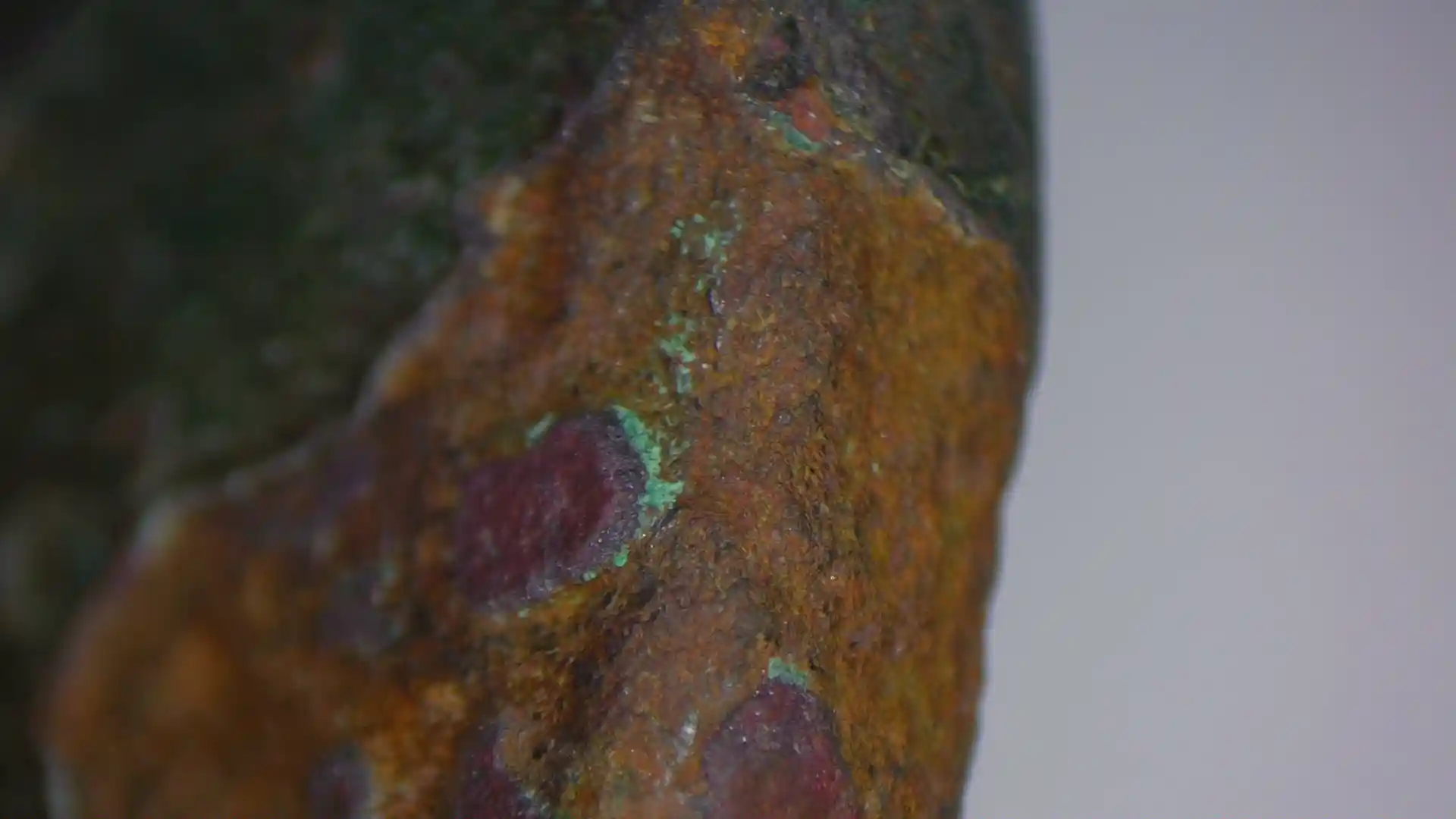 These red cuprite deposits would forever keep causing bronze disease in the presence of ANY moisture, I made a judgment call to cut them away until I reached bare metal. To solve this once and for all, I completely cut away all nodules that previously had Bronze disease growing on and around them. I then scraped until I found core bronze. Is this really bad? Yes. Would I do this to any other coin? Probably not. Would I recommend you do this? Almost certainly not. I am showing this as a last resort scenario as reoccurrence was guaranteed with these nodules attached to the bronze core.
Back into the Sodium Solution
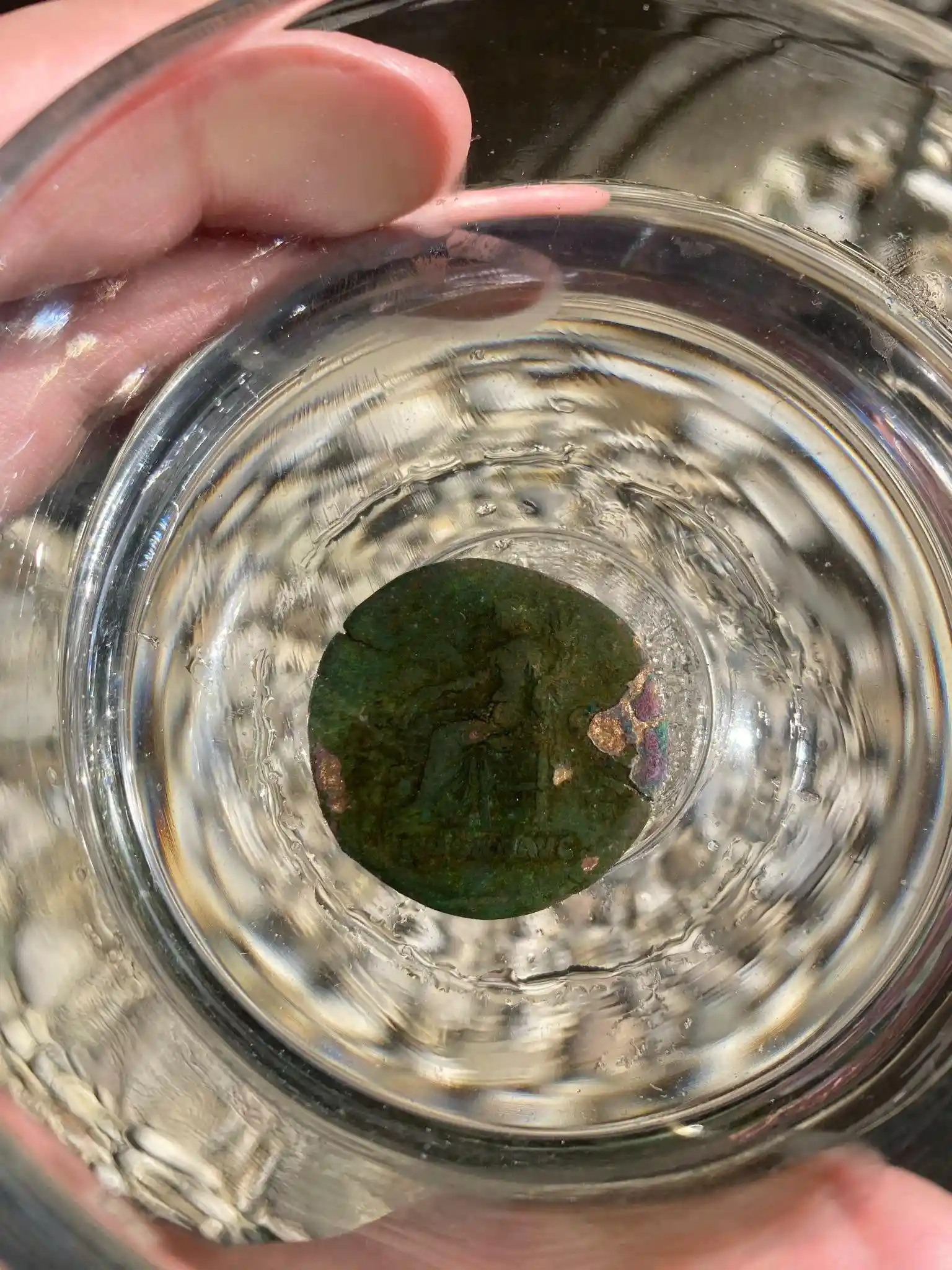 After 2 more weeks in the Sodium S. Solution, I felt It was a good time to see if the treatment had kill the last of the BD.
Sure enough, after 3 weeks in open air- the BD has not returned.
Most importantly I basically cooked the coin using a heat lamp to ensure there was no moisture left in the area. I also kept it in a dry area. A key component on BD reoccurrence is moisture.
It’s finally over
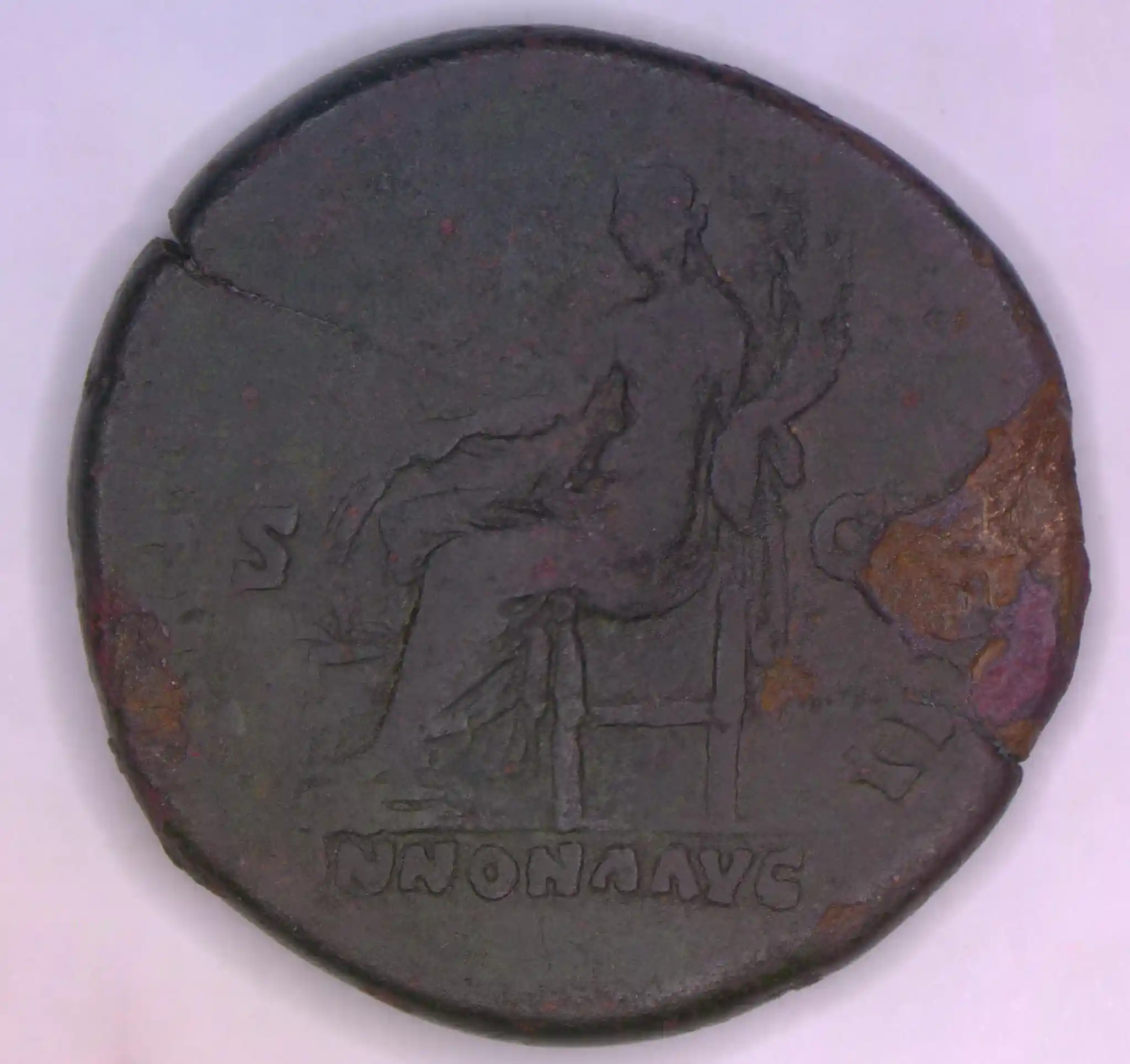
You can at this point, once you are certain its dried out and not re-occurring, apply some Ren Wax (Microcrystalline Wax) to the area to seal in the current state. Sealing in the area can prevent re-occurrence, but note: if there is any moisture trapped by the wax it will still reoccur under it.
Thanks for reading!