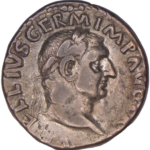
Billon Argenteii, a fascinating denomination.
Brief overview of a debased Argenteus introduced as the Tetrarchy was falling apart.
Write-Up
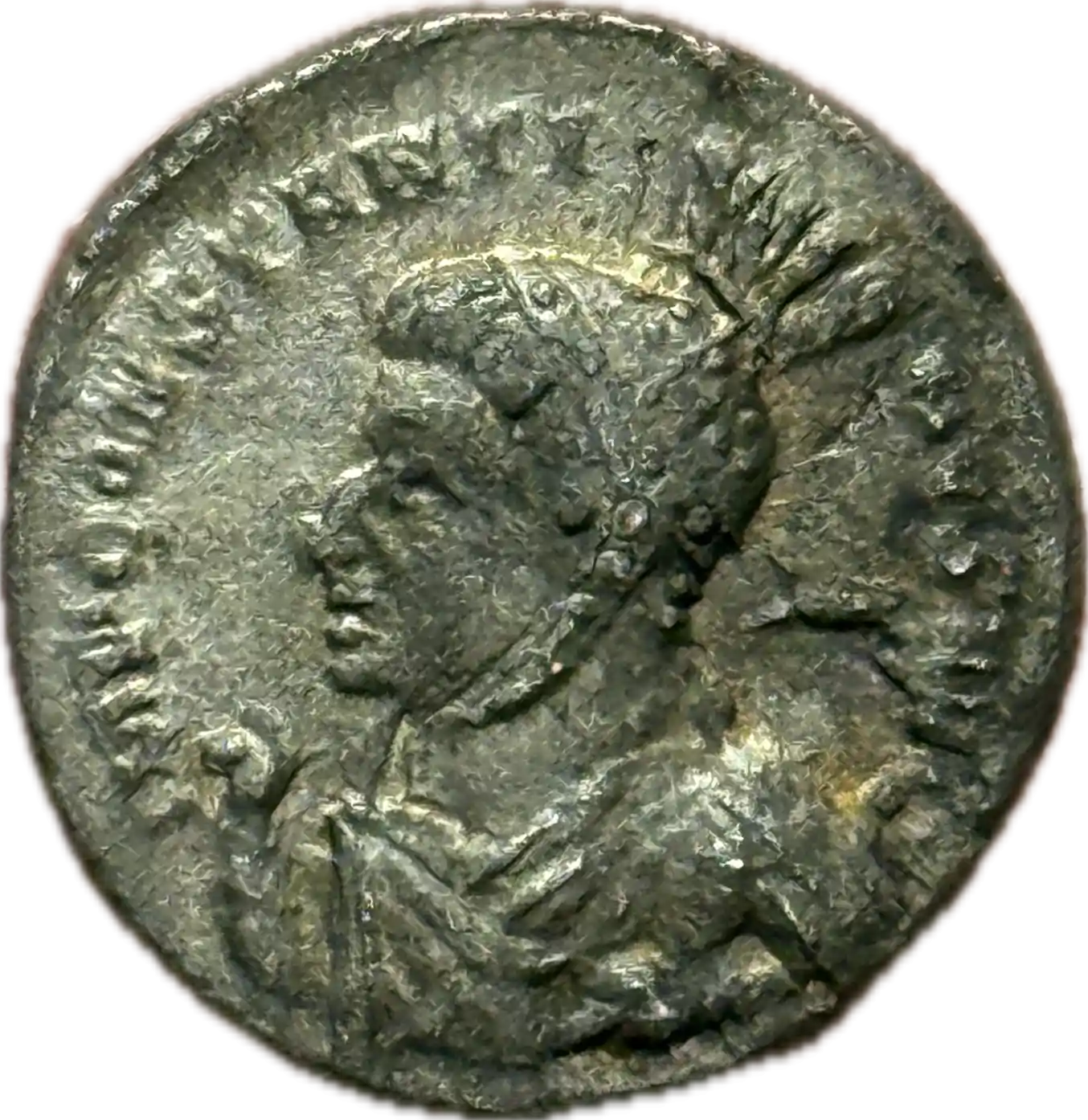
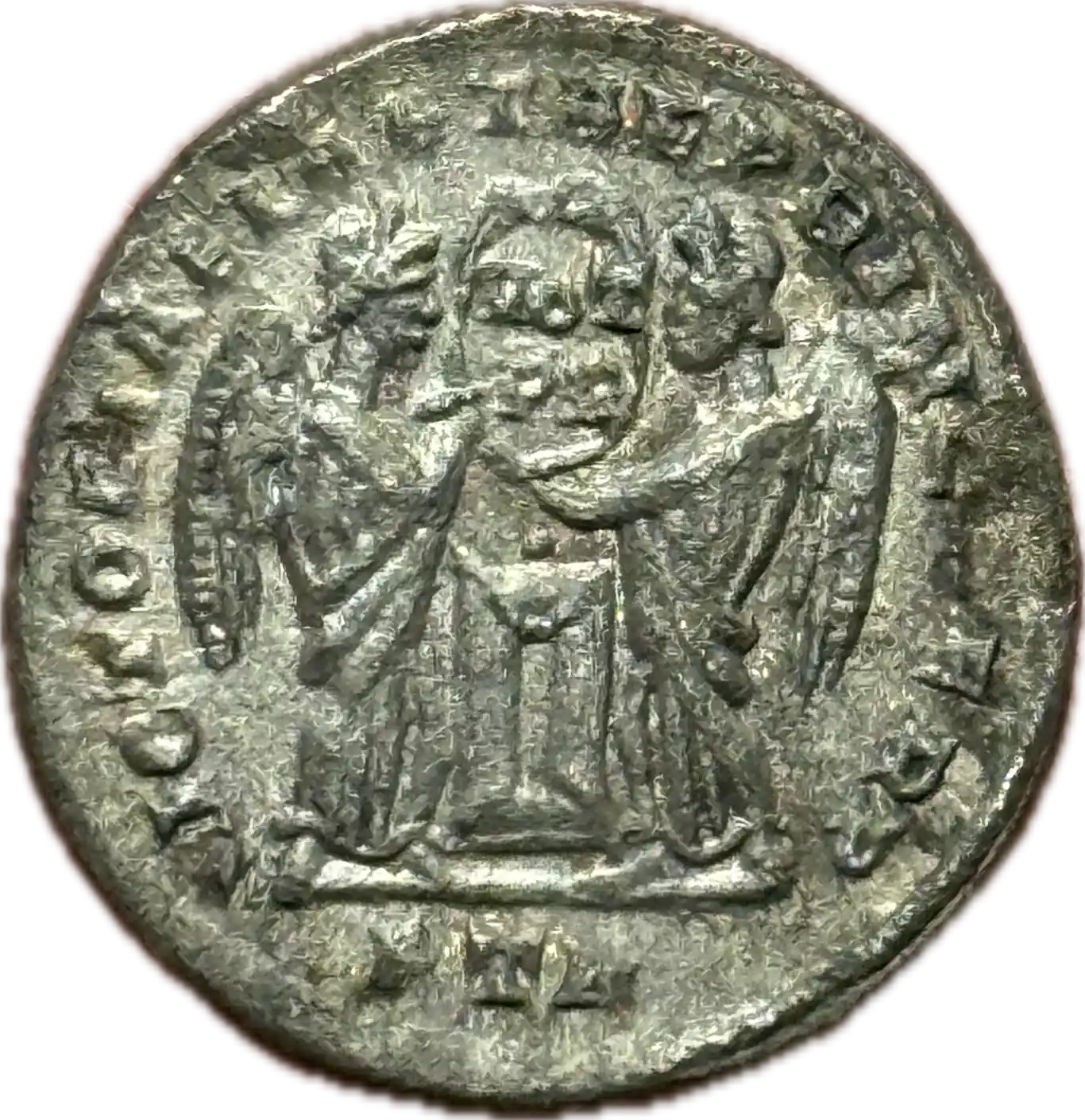 Constantine I (AD 306–337), BI Argenteus, Trier mint, struck AD 318–319, 18mm, 2.75g, 6h, IMP CONSTANTINVS AVG, cuirassed bust left wearing high-crested helmet and holding spear across shoulder / VICTORIAE LAETAE PRINC PERP, two Victories facing, holding shield inscribed VOT PR in two lines on altar, PTR in exergue, RIC VII Treveri 208A; RSC 643; Sear RCV IV 16120 (var.); cf. LRBC I 53; Alföldi, Trier silver issues, 316–319.
WRITE UP
The billon argenteus, often referred to as a pseudo argenteus, is a fascinating and short-lived silver denomination introduced during the final phase of the Tetrarchic period under Constantine, Licinius, and Maximinus Daia. It emerged in the wake of continued economic instability following Diocletian’s earlier monetary reforms. Diocletian’s pure silver argenteus, introduced in late 294 but probably not in full production until 295 AD, had been a serious attempt to restore confidence in the Roman currency system, but it ultimately proved unsustainable.
By the early 4th century, ongoing inflation, combined with the legacy effects of decades of antoninianus debasement and the mixed circulation of post-reform bronze and silver coinage, pushed the imperial administration toward further experimentation. Rather than a true replacement for everyday bronze currency, the billon argenteus functioned as an intermediate or prestige silver issue, essentially a debased continuation of the earlier argenteus. Typically containing a variable but visibly argentiferous silver content often estimated in the 20-30% range, and weighing around 2.5-3 grams, it represented a compromise: less costly to produce than its pure silver predecessor, yet still visually distinct enough to inspire public confidence.
The denomination was struck almost exclusively at the key mint of Trier and features only the final active rulers of the Tetrarchic system, Constantine, Licinius, and Maximinus Daia, underscoring its transitional nature at the very end of the Diocletianic monetary experiment. The near absence of silver in Licinius’ billon argentei reflects not an empire-wide shortage of bullion, but rather a deliberate move by Constantine as he consolidated control over the Danubian silver supply network. The denomination was deliberately tokenized, with silver nomenclature preserved for legitimacy and continuity rather than intrinsic value, forming part of a broader, longer episode of monetary warfare in which Constantine’s dominance of precious metal resources undermined Licinius’ competing monetary system. Constantine seems to have been aggressive in this way, as 80-90% of Licinius’ BI Argenteii found have no surface silver wash, which they dipped the coins in anyway, even though they are billon. My guess is the mint workers did it to get that lustrous argentiferous shine seen on Diocletianic argenteii.
These coins appear to have served an accounting and symbolic role within the divided empire, helping to standardize payments and project imperial authority while complementing the newly introduced gold solidus. Production was limited and short-lived, beginning around 310 AD. Circulation appears to have been broad but uneven, concentrated in the western provinces, and mintage ceasing by approximately 319 AD, as monetary policy continued to evolve and emphasis shifted back toward bronze nummi for daily transactions. Later Constantinian silver reforms, including the eventual introduction of the pure silver siliqua, would not occur until after Constantine’s consolidation of sole rule. The pseudo argenteus thus reflects a brief but telling moment of continued experimentation in Roman silver coinage following the failure of Diocletian’s purer argenteus.